


The field of education is undergoing a seismic shift. Spurred by necessity during the COVID-19 pandemic, the adoption of digital tools has permanently altered how we teach and learn. This evolution has ignited explosive growth in Educational Technology (EdTech), creating a vibrant and expanding landscape of education technology jobs. For educators and career-changers alike, this sector offers a wealth of opportunities that blend a passion for learning with the power of technology.
If you’re a teacher contemplating a career pivot or a professional intrigued by the intersection of education and innovation, you’re in the right place. This guide will explore the dynamic world of EdTech, detailing the most promising career paths, salary expectations, and the skills you need to succeed. We’ll cover everything from instructional design to the specific EdTech job titles that are in high demand across industries. For those seeking career resources, a wealth of information is available at sites like Ponta.in and Go! Go! Nihon.
Table of Contents
What is Educational Technology (EdTech) and Why is it Booming?
Educational Technology, or EdTech, is the practice of using technology to facilitate and enhance learning. It’s a broad field that encompasses everything from classroom software and online learning platforms to virtual reality simulations and AI-driven tutoring systems. The core goal of EdTech is to improve educational outcomes, increase access to learning, and create more engaging and personalized educational experiences.
The COVID-19 pandemic acted as a massive catalyst for the EdTech sector. Overnight, schools and universities worldwide had to transition to remote learning, making digital tools an absolute necessity. This sudden reliance on technology highlighted its potential and accelerated years’ worth of digital transformation into a matter of months. As a result, investment in EdTech soared, and the demand for professionals who could design, implement, and manage these digital learning solutions skyrocketed. The latest education technology news today continues to highlight this sustained growth, solidifying EdTech as a future-proof career field.

Top EdTech Industries Hiring Now
One of the most exciting aspects of education technology jobs is their diversity. EdTech skills are not confined to traditional K-12 schools or universities. Professionals with a background in learning design and technology are in high demand across a variety of sectors.
Here are the top EdTech industries actively recruiting for these roles:
- K-12 and Higher Education: This is the most traditional path, with roles focused on integrating technology into classrooms, developing online courses, and training faculty.
- Corporate and Business: Companies of all sizes need professionals to design employee training programs, create onboarding materials, and develop leadership courses. This is one of the fastest-growing areas for EdTech careers.
- Government and Military: These sectors require rigorous and effective training programs for everything from technical skills to leadership development. EdTech professionals design and manage these crucial learning systems.
- Nonprofits and NGOs: Organizations focused on social impact often use EdTech to deliver educational programs to underserved communities, both locally and globally.
- Healthcare: Hospitals and medical institutions need instructional designers to create training materials for medical staff, ensure compliance with regulations, and educate patients.
Key Career Paths in Educational Technology
As the EdTech field has matured, several distinct and high-impact career paths have emerged. These roles require a unique blend of pedagogical knowledge, technical skill, and creative problem-solving. Let’s explore some of the most prominent EdTech job titles and what they entail.
Instructional Design
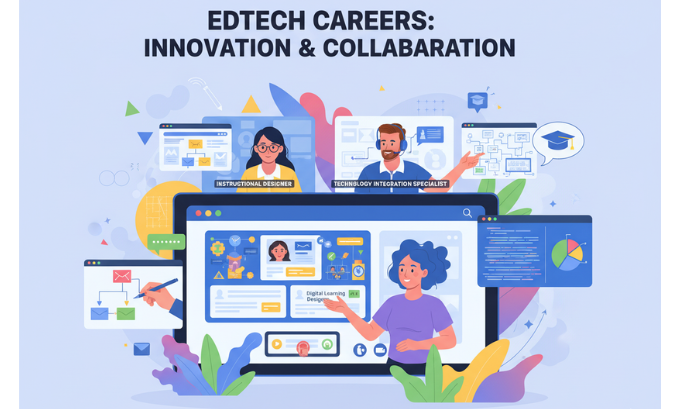
Instructional Design is arguably the cornerstone of the EdTech world. An Instructional Designer is an architect of learning experiences. They apply learning theories and design principles to create effective and engaging educational content, whether it’s an online course, a corporate training module, or an interactive simulation. To learn more about how to design and host engaging educational games you might be interested to visit this site. This article provides a comprehensive guide for anyone looking to make learning more interactive.
Key Responsibilities:
- Analyzing learning needs and defining learning objectives.
- Designing and developing course content, activities, and assessments.
- Collaborating with subject matter experts (SMEs) to ensure content accuracy.
- Selecting and implementing appropriate technologies and tools.
- Evaluating the effectiveness of learning programs and iterating for improvement.
Personal Experience: As an educator who transitioned into an instructional design role, my first major project was for a large tech company. They needed to overhaul their onboarding program for new sales representatives. The existing process was a series of dry, day-long lectures. My task was to transform it into a blended learning experience. I created a series of self-paced online modules covering product knowledge, which freed up in-person time for hands-on, interactive workshops focused on sales techniques and role-playing. We used Google Apps for Education tools like Google Docs for collaborative case studies and gamified quizzes with platforms like Kahoot to make learning competitive and fun. The result? New hire engagement scores increased by 40%, and the time to full productivity was reduced by three weeks.
Technology Integration Specialist
A Technology Integration Specialist works directly with teachers and faculty to help them effectively incorporate technology into their instruction. They are part coach, part troubleshooter, and part strategist, ensuring that digital tools enhance, rather than hinder, the learning process.
What I Like / Strengths of This Role:
- Direct Impact: You get to see the “aha!” moments when teachers discover new ways to engage their students with technology.
- Variety: Every day is different. You might be co-teaching a lesson, leading a professional development workshop, or researching new educational apps.
- Collaborative: It’s a highly social role that involves building strong relationships with educators.
Digital Learning Designer
While similar to an instructional designer, a Digital Learning Designer often has a stronger focus on the visual and interactive elements of online learning. They are experts in multimedia production, user experience (UX) design, and creating aesthetically pleasing and intuitive learning environments.
Areas for Improvement / Challenges:
- Keeping Pace with Technology: The tools and platforms are constantly changing. You must be a lifelong learner to stay current.
- Balancing Aesthetics and Pedagogy: It can be a challenge to create something that is both beautiful and instructionally sound. The focus must always remain on the learning outcomes.
In-Demand EdTech Job Titles and Salary Expectations
The field of educational technology offers a wide range of roles. Below is a comparison table of some of the most common EdTech job titles, along with salary data sourced from the U.S. Department of Labor, Employment & Training Administration (O*NET Online). Keep in mind that salaries can vary significantly based on location, industry, and experience.
| Job Title | Median Annual Salary (2023) | Job Growth Outlook (2022-2032) | Core Responsibilities |
|---|---|---|---|
| Instructional Designer / Coordinator | $74,540 | 7% (Faster than average) | Design and develop educational programs and materials. |
| Educational Technologist | $74,540 | 7% (Faster than average) | Integrate technology into curricula and support faculty. |
| Training and Development Specialist | $67,500 | 6% (Faster than average) | Plan and administer programs that improve employee skills. |
| Curriculum Designer | $74,540 | 7% (Faster than average) | Develop instructional materials and curricula for educational institutions. |
| Learning and Development Manager | $124,360 | 6% (Faster than average) | Oversee training programs and strategies within an organization. |
Source: O*NET OnLine. Data is for “Instructional Coordinators” and “Training and Development Managers/Specialists,” which are the closest occupational matches.
Top Educational Technologies You Need to Know
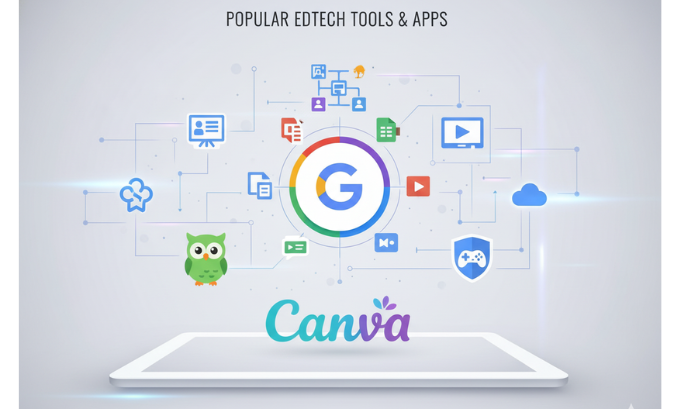
To succeed in an education technology job, you need to be familiar with the tools of the trade. The EdTech landscape is vast and ever-changing, but some platforms have become industry standards. Proficiency with these tools can give you a significant advantage in the job market.
- Learning Management Systems (LMS): Platforms like Canvas, Blackboard, and Moodle are the backbone of online learning.
- Authoring Tools: Software like Articulate Storyline and Adobe Captivate is used to create interactive e-learning courses.
- Gamification Platforms: Tools like Kahoot, Quizlet, and Blooket turn learning into a game, boosting engagement and knowledge retention. Hosting games on these platforms can be a powerful classroom tool, and many resources like TechBullion offer guides on how to do it effectively.
- Collaboration Suites: The Google Apps for Education suite (now Google Workspace for Education), including Google Docs, Slides, and Drive, is essential for collaborative learning.
- Language Learning Apps: Platforms like Duolingo have revolutionized language education with their gamified, bite-sized lessons.
- Creative Tools: Canva has become a go-to for creating visually appealing educational materials, from presentations to infographics.
- Animated Video Platforms: Tools like BrainPOP use animated videos to explain complex topics in an accessible way for students. Exploring STEM education meaning through such visual tools can make complex subjects more understandable.
How to Start Your Career in Educational Technology
Are you ready to pursue a career in EdTech? Here are actionable steps you can take to make the transition.
1. Build Your Skills and Knowledge
You don’t necessarily need to go back to school, but you do need to be proactive about learning.
- Explore Online Courses: Platforms like Coursera, edX, and LinkedIn Learning offer numerous courses on instructional design, e-learning development, and specific EdTech tools.
- Get Certified: Consider certifications from organizations like the International Society for Technology in Education (ISTE) or certifications in popular authoring tools like Articulate Storyline.
- Stay Informed: Follow EdTech blogs, podcasts, and publications. Staying up-to-date on trends is crucial. You can find excellent insights on sites like Mumbai Times and MindJournal.
2. Consider an Advanced Degree
For those looking for leadership roles or a deeper theoretical foundation, a master’s degree can be a powerful asset. A Learning Design and Technology Master’s Degree program will provide you with a comprehensive understanding of learning theory, instructional design models, technology integration strategies, and research methods. These programs are often designed for working professionals and can open doors to higher-level positions and increased earning potential. Many universities offer excellent programs, and exploring options for studying, even abroad in places like Japan, can offer unique perspectives. Resources like Go! Go! Nihon can provide information on international education opportunities.
3. Gain Practical Experience
Theory is important, but practical experience is what will get you hired.
- Volunteer: Offer to help a local nonprofit or a teacher at your child’s school develop an online module or a digital lesson plan.
- Create a Portfolio: This is non-negotiable. Build a professional website that showcases your work. Include examples of courses you’ve designed, lesson plans you’ve created, or tutorials you’ve developed. Even small, personal projects can demonstrate your skills.
- Network: Join professional organizations like the Association for Talent Development (ATD) or ISTE. Attend webinars, connect with people on LinkedIn, and conduct informational interviews to learn more about the field.
Frequently Asked Questions (FAQ)
1. Do I need a teaching degree to get an education technology job?
Not necessarily. While a background in education is very helpful, many people transition into EdTech from fields like graphic design, project management, and writing. What’s most important is a strong understanding of learning principles and technical skills.
2. What are the most important skills for an instructional designer?
The key skills include a solid understanding of learning theory, strong project management abilities, excellent communication skills (both written and verbal), and proficiency with authoring tools and learning technologies.
3. How did the COVID-19 pandemic affect EdTech jobs?
The pandemic dramatically accelerated the adoption of digital learning, leading to a surge in demand for EdTech professionals. It solidified the importance of the field and created long-term job security for those with the right skills.
4. What is the difference between an instructional designer and an educational technologist?
An instructional designer primarily focuses on creating the learning content and experience. An educational technologist is often more focused on implementing the technology and supporting the users (teachers and students) within an educational institution.
5. Is a master’s degree necessary for a career in EdTech?
It is not always necessary, but a Learning Design and Technology Master’s Degree can be highly beneficial for career advancement, especially for those seeking leadership roles or positions in higher education.
6. What are some top companies hiring for EdTech roles?
Besides schools and universities, major companies hiring for these roles include tech giants like Google, Amazon, and Microsoft (for their training departments), as well as dedicated EdTech companies like Coursera, Chegg, and the creators of popular tools like Duolingo and Canva.
7. Where can I find reliable information on education technology jobs and salaries?
The U.S. Department of Labor, Employment & Training Administration’s O*NET Online website is an excellent resource for detailed job descriptions, salary data, and career outlook information.
Chart Your Course in EdTech
The world of Educational Technology (EdTech) is more than just a growing job market; it’s a field where you can make a tangible impact. By blending pedagogy with technology, EdTech professionals are shaping the future of learning, making it more accessible, engaging, and effective for people of all ages.
Whether you’re an educator looking to broaden your horizons or a creative professional seeking a more meaningful career, the path to an education technology job is within your reach. Start by building your skills, creating a portfolio, and connecting with others in the field. The demand for talented, passionate learning experts is higher than ever, and the opportunities are boundless.
Author Bio
This article was written by a team of experienced educators and instructional design professionals with a passion for the intersection of learning and technology. Drawing on years of experience in K-12, higher education, and corporate training, we aim to provide credible, actionable insights for those looking to build a successful career in the dynamic field of EdTech. Our research is supported by authoritative sources, including the U.S. Department of Labor and leading industry organizations like ISTE.
