

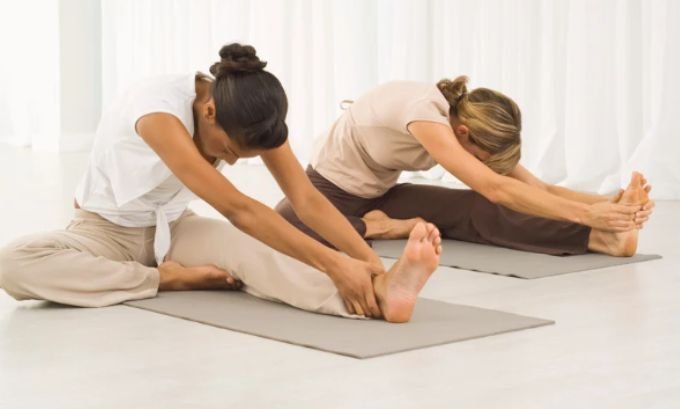
Yoga is a holistic practice that unites the mind, body, and breath through a series of movements, breathing techniques, and meditation. It’s an ancient discipline designed not just for physical fitness, but for fostering inner peace and self-awareness. If you’ve ever felt curious about starting, here is everything you need to know about yoga to begin your journey with clarity and confidence.
This guide will walk you through the entire world of yoga, from its rich history and deep philosophy to its modern styles and science-backed health benefits. Think of this as a friendly conversation to answer your questions and demystify this powerful practice.
Table of Contents
The Ultimate Guide to Understanding Yoga
So, what is yoga really? At its core, yoga is a system for well-being that aims to create harmony. The word itself comes from the Sanskrit root “yuj,” which means “to yoke” or “unite.” This refers to the integration of your physical body, your conscious mind, and your inner spirit. The practice achieves this through three main pillars: physical postures (asana), breathwork (pranayama), and meditation (dhyana).
While many people come to yoga for a great workout—and they certainly get one—its traditional purpose goes much deeper. It’s a path to understanding yourself better and cultivating a sense of calm in a busy world. With over 300 million people practicing globally, it has clearly struck a chord.
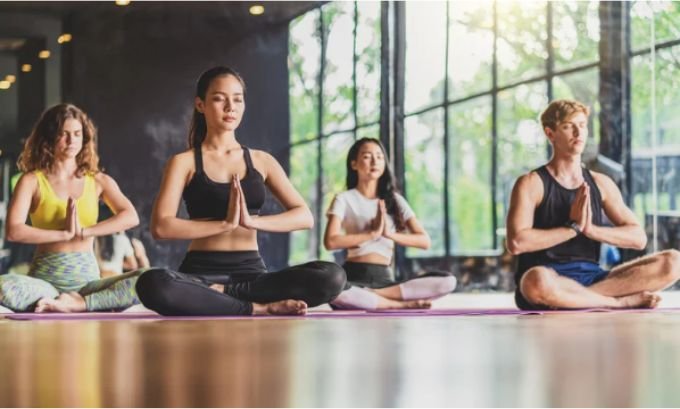
A Look Back in Time: The Roots of Yoga
Yoga’s story didn’t begin in a modern studio; it started thousands of years ago in ancient India. Its earliest philosophical concepts can be traced back to the Rigveda, a collection of sacred hymns and one of the oldest texts in human history. These ancient writings explored the nature of consciousness and laid the foundation for the practices to come.
However, the person credited with organizing yoga into a structured system is the sage Patanjali. Around 400 CE, he composed the Yoga Sutras, a collection of 196 aphorisms that serve as a roadmap for the practice. This text outlines the “eight limbs of yoga,” creating a comprehensive guide for living an ethical, purposeful, and spiritually connected life.
For centuries, this wisdom was passed down directly from teacher to student. It wasn’t until the late 19th and early 20th centuries that yoga began to make its way to the West, where it was often adapted to emphasize its benefits for physical health and stress reduction.
The Eight Limbs of Yoga: A Framework for Living
The sage Patanjali created a brilliant framework that shows yoga is much more than just physical exercise. His eight limbs are interconnected practices that guide a person toward a more balanced and enlightened state of being.
- Yama (Ethical Conduct): These five principles guide our behavior toward others. They include non-violence (ahimsa), truthfulness (satya), not stealing (asteya), moderation of energy (brahmacharya), and non-hoarding (aparigraha).
- Niyama (Personal Observances): These five disciplines relate to our inner world. They involve purity (saucha), contentment (santosha), self-discipline or “heat” (tapas), self-study (svadhyaya), and surrender to a higher purpose (ishvara pranidhana).
- Asana (Physical Postures): The most famous limb, asana are the physical poses used to strengthen the body, increase flexibility, and prepare it to sit comfortably for meditation.
- Pranayama (Breath Mastery): Pranayama involves techniques for controlling the breath, which is considered the vehicle for our life force energy (prana). This practice is key to calming the nervous system.
- Pratyahara (Withdrawal of the Senses): This limb is the practice of drawing our awareness inward, away from external distractions. It acts as a bridge between the outer world and our inner landscape.
- Dharana (Concentration): Once awareness is drawn inward, Dharana is the practice of focusing the mind on a single point, such as the sensation of the breath or a visual image.
- Dhyana (Meditation): While Dharana is the act of focusing, Dhyana (meditation) is the state of effortless, continuous awareness. It’s a state of being deeply absorbed without struggle.
- Samadhi (Enlightenment): The final limb is a state of pure bliss and union, where the sense of an individual self dissolves into a connection with the universal consciousness.
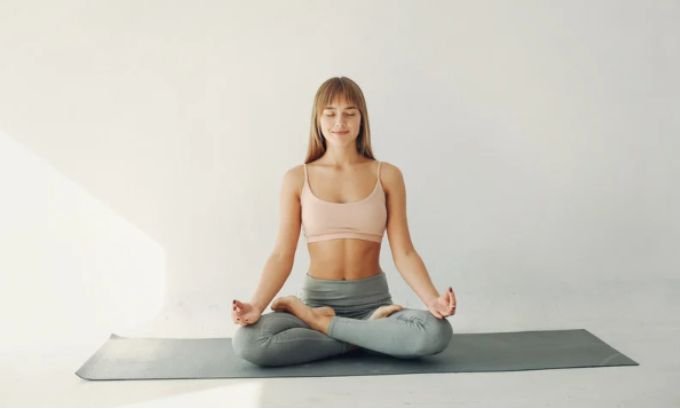
My Own Yoga Story: Finding More Than a Stretch
I started practicing yoga because my physical therapist recommended it for chronic lower back pain. I was skeptical. I thought it was just stretching for flexible people. I signed up for a beginner’s Hatha Yoga class, expecting a gentle hour and not much else.
For the first few weeks, I felt awkward and out of place. My body didn’t bend the way I thought it should, and holding a simple pose felt like an eternity. But my teacher offered a piece of advice that changed everything: “Don’t worry about what the pose looks like. Focus on what it feels like.” He encouraged us to connect with our breath (pranayama) and use it as a guide.
The real shift happened during one class when we were practicing a simple twisting asana. As I exhaled and gently deepened the twist, I felt a release not just in my spine, but in the knot of stress I had been carrying in my stomach. It was a lightbulb moment. The physical practice was a gateway to releasing emotional and mental tension. My back pain started to improve, but the mental clarity I gained was the benefit that truly hooked me.
The Gifts Yoga Has Given Me
- A Quieter Mind: The combination of movement and breath is the most effective tool I’ve found for calming my racing thoughts. The meditation (dhyana) aspect has been life-changing.
- Functional Strength: I’m not just more flexible; I’m stronger in ways that help my daily life. My posture has improved, and I can lift heavy things without tweaking my back.
- Emotional Resilience: Yoga has taught me how to sit with discomfort, both on and off the mat. I’m better equipped to handle life’s challenges without getting overwhelmed.
- Self-Compassion: The practice encourages a non-judgmental attitude. I’ve learned to be kinder to myself, accepting my limitations and celebrating small victories.
My Ongoing Practice: Where I’m Still Growing
- Embracing Rest: My ambitious side often wants to push harder and do more advanced poses. I’m still learning to honor my body’s need for rest and to embrace gentler practices.
- Consistency is a Challenge: Life gets busy, and it’s easy to let my practice slide. My ongoing goal is to prioritize consistency, even if it’s just for 10 minutes a day.
- Exploring the Heat: I’ve been hesitant to try more intense styles. I’m curious to step out of my comfort zone and experience a class like Bikram Yoga to see how my body and mind respond.
The Body’s Energetic Blueprint: Understanding the Chakras
In yogic philosophy, our physical body is animated by a subtle energy system. At the core of this system are the chakras, which are centers of spiritual power and energy. The word “chakra” means “wheel” in Sanskrit, as these centers are seen as spinning vortexes that regulate the flow of our life force energy (prana). When these centers are balanced, we feel healthy and aligned. Blockages can lead to physical or emotional issues.
There are seven main chakras located along the spine:
- Muladhara (Root Chakra): At the base of the spine, this chakra is linked to our sense of safety, security, and belonging.
- Svadhisthana (Sacral Chakra): Located in the lower abdomen, it governs creativity, emotions, and our capacity for joy.
- Manipura (Solar Plexus Chakra): Situated in the upper abdomen, this is our center of personal power, self-esteem, and willpower.
- Anahata (Heart Chakra): In the center of the chest, this chakra is the hub of love, compassion, and connection.
- Vishuddha (Throat Chakra): At the throat, it governs our ability to communicate our truth with clarity.
- Ajna (Third Eye Chakra): Found between the eyebrows, this is the center of intuition, insight, and wisdom.
- Sahasrara (Crown Chakra): At the very top of the head, this chakra represents our connection to higher consciousness and spirituality.
For a deeper dive into the origins, benefits, and styles of yoga and Everything You Need to Know About Yoga, check out this detailed guide in this articles gogonihon.jp.net, ponta.in or mumbaitimes.net
Navigating the Styles: Which Type of Yoga Fits You?
The world of yoga is vast and varied. Finding the right style is a personal journey that depends on your fitness level, goals, and personality.
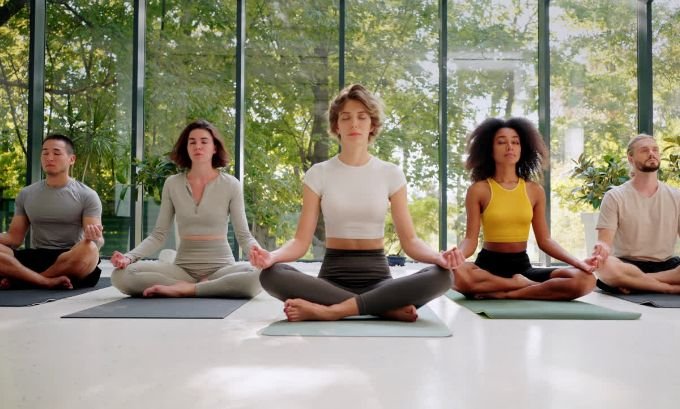
Hatha Yoga
This is a perfect starting point. Hatha Yoga is a general term for a style that focuses on teaching the fundamental physical postures. Classes are typically slower-paced, allowing you to learn proper alignment and connect with your breath in each asana.
Bikram Yoga
This is a specific form of hot yoga founded by Bikram Choudhury. A Bikram Yoga class involves a set sequence of 26 poses and two breathing exercises performed in a room heated to 105°F (40.5°C). The intense heat is designed to warm the muscles for deeper stretching and to promote detoxification through sweat.
Vinyasa Yoga
Known for its flowing, dynamic sequences, Vinyasa yoga links each movement to an inhale or an exhale. It often feels like a moving meditation and is great for those who enjoy a more active, cardiovascular practice.
Iyengar Yoga
This style is characterized by its precision and attention to detail. Iyengar yoga uses props like blocks, straps, and blankets to help students achieve optimal alignment in every pose. It’s an excellent choice for learning the nuances of asana and for students working with injuries.
Restorative Yoga
This is a practice of deep relaxation and healing. In a restorative class, you’ll hold gentle poses for long durations, fully supported by props. The goal is to release deep-seated tension and calm the nervous system.
Looking to enhance your yoga practice with quality mats, props, or wellness essentials? Visit TokyoMart.store for handpicked gear to support your journey.
Comparing Popular Yoga Styles at a Glance
| Yoga Style | Intensity & Pace | Great For | Defining Quality |
|---|---|---|---|
| Hatha Yoga | Slow & Gentle | Beginners, learning fundamentals | Holding static poses with a focus on alignment |
| Vinyasa Yoga | Moderate to Fast & Flowing | Cardio, creative movement | Seamless transitions between poses |
| Bikram Yoga | Very High & Structured | Detox, discipline, deep stretching | A fixed 26-pose sequence in a hot room |
| Iyengar Yoga | Slow & Meticulous | Injury recovery, perfecting form | Heavy use of props for precise alignment |
| Restorative Yoga | Very Slow & Passive | Stress relief, deep relaxation | Long-held poses with complete prop support |
The Science of Yoga: Evidence-Based Benefits
While the wisdom of yoga is ancient, modern science is now validating its profound effects on health. Credible institutions like the National Institutes of Health (NIH) have published extensive research confirming yoga’s benefits for both mind and body.
According to research reviewed by the NIH, a regular yoga practice can:
- Improve Mental Health: Yoga is increasingly recognized as an effective complementary therapy for anxiety and depression, helping to regulate mood and foster a sense of well-being.
- Enhance Sleep: Studies show that yoga can improve sleep quality by helping to calm the nervous system and reduce the time it takes to fall asleep.
- Increase Physical Strength and Balance: Using your own body weight for resistance, yoga builds functional strength and improves balance, which is crucial for healthy aging.
- Reduce Chronic Pain: Research suggests yoga can be an effective tool for managing chronic pain from conditions like arthritis, migraines, and lower back issues.
- Support Heart Health: A consistent practice can contribute to lower blood pressure, reduced inflammation, and better overall cardiovascular function.
- Lower Stress Levels: The combination of physical movement, breathwork, and meditation has a proven effect on lowering cortisol, the body’s primary stress hormone.
Your Questions Answered: A Yoga FAQ
1. Is yoga just for flexible people?
No, this is a common myth! You don’t need to be flexible to start yoga; yoga is what helps you become more flexible. The practice meets you exactly where you are.
2. What kind of equipment do I need?
You don’t need much. Comfortable, stretchy clothing is a must. A yoga mat is highly recommended for grip and cushioning, but you can start on a carpet or non-slip surface.
3. How is yoga different from stretching?
Stretching focuses on lengthening muscles. Yoga is a holistic practice that integrates the mind and body through the conscious use of breath (pranayama) and mindfulness (meditation) alongside physical postures (asana).
4. Can I practice yoga if I have a religious belief?
Yes. While yoga has philosophical roots in Hinduism, it is not a religion. It is a set of practices for well-being that can be adopted by anyone, regardless of their spiritual background.
5. How often should I practice to see results?
Consistency is more important than duration. Practicing for 20 minutes a few times per week will be more beneficial than one long class every so often.
6. Is a hot yoga style like Bikram better for weight loss?
Not necessarily. While you will sweat a lot in a Bikram class, any active style of yoga can help with weight management. More importantly, yoga promotes mindfulness, which can lead to healthier lifestyle choices.
7. Can yoga really help with stress?
Absolutely. The focus on deep breathing and mindful movement activates the body’s relaxation response, making it one of the most effective practices for managing stress.
Your Journey Begins Now
We’ve covered everything you need to know about yoga, from its ancient origins in the Rigveda and the profound teachings of Patanjali to its modern applications and scientific validation. We’ve demystified its core practices of asana, pranayama, and meditation and explored how they come together to create a powerful system for well-being.
Yoga is a personal journey, not a destination. It’s a practice that offers tools to navigate life with more strength, grace, and peace. The most important step is the one you take onto the mat.
Ready to start? Look for a beginner-friendly class in your area or explore the many wonderful online resources available to guide you.
Author Bio:
This article was written by a certified yoga instructor and wellness expert with 15 years of dedicated practice and teaching. With a passion for making the profound teachings of yoga accessible and relatable, the author combines deep philosophical knowledge with practical, science-backed advice to empower others on their wellness journey.
