

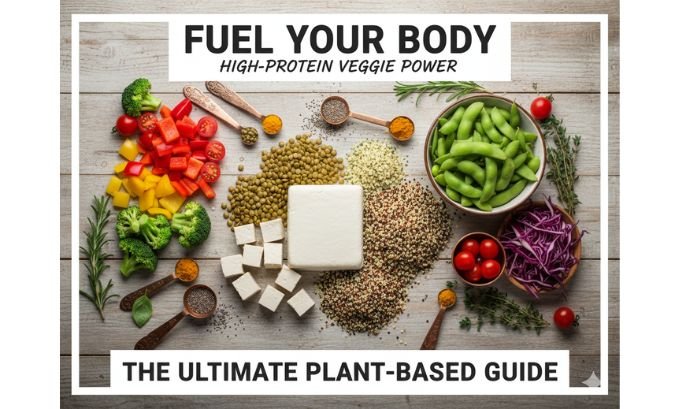
Looking to increase your protein intake without eating meat?
High-protein vegetarian foods provide the essential nutrients your body needs for muscle repair, energy, and overall health — all from plants. These foods are rich in plant-based protein, amino acids, and other nutrients that support muscle protein synthesis and long-term wellness.
In this guide, you’ll discover the best vegetarian protein sources, learn how they compare in quality and digestibility, and understand how to build a nutritionally complete plant-based diet.
Table of Contents
What Are High-Protein Vegetarian Foods?
High-protein vegetarian foods are plant-based or non-meat foods that contain significant amounts of protein per serving, such as lentils, tofu, quinoa, hemp seeds, and mycoprotein.
These foods provide essential amino acids — the building blocks of protein — needed for maintaining muscle, tissue repair, and metabolic health.
Vegetarian protein sources can be classified into two groups:
- Complete proteins: Contain all 9 essential amino acids (e.g., soy protein, quinoa, mycoprotein).
- Incomplete proteins: Lack one or more essential amino acids (e.g., lentils, beans, nuts), but can be combined for balance.
The Science of Plant-Based Protein
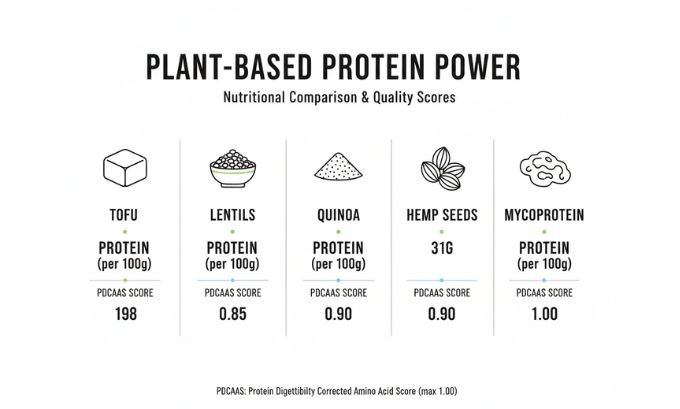
Plant-based protein refers to protein derived from plants such as legumes, grains, seeds, and fungi. These proteins differ from animal proteins mainly in amino acid composition and Protein Digestibility-Corrected Amino Acid Score (PDCAAS) — a scientific metric used to measure protein quality and bioavailability.
| Protein Source | PDCAAS Score | Amino Acid Completeness | Notes |
| Soy Protein | 1.00 | Complete | Highest plant-based score; comparable to animal protein |
| Lentils | 0.70 | Incomplete | Rich in lysine but low in methionine |
| Quinoa | 0.87 | Complete | Balanced amino acid profile |
| Mycoprotein (Quorn) | 0.99 | Complete | Excellent digestibility |
| Hemp Seeds | 0.63 | Nearly Complete | Rich in arginine and omega-3s |
Key Insight:
While most plant proteins have slightly lower PDCAAS values than animal proteins, a well-planned vegetarian diet combining different sources can easily meet all amino acid requirements.
Top High-Protein Vegetarian Foods
1. Soy Protein: The Gold Standard
Soy protein is one of the most complete and digestible plant-based proteins available. It’s found in foods like tofu, tempeh, edamame, and soy milk
Nutritional Snapshot (per 100g of tofu):
- Protein: 8–10g
- PDCAAS: 1.00
- Amino Acid Profile: Complete
Why it’s effective:
Soy protein supports muscle protein synthesis similarly to whey protein and is rich in branched-chain amino acids (BCAAs) like leucine and valine.
What to note:
Some individuals may have soy sensitivities, and fermented forms (like tempeh) are easier to digest.
2. Legumes: Lentils, Beans, and Peas
Legumes are nutrient-dense and among the best plant-based protein options for vegetarians.
Nutritional Snapshot (per 100g cooked lentils):
- Protein: 9g
- Fiber: 8g
- PDCAAS: ~0.70
Strengths:
- High in lysine, iron, and folate
- Excellent for heart health and blood sugar control
Areas for improvement:
Low in methionine, so combining with grains (like rice or quinoa) ensures amino acid completeness.
If you want to learn more about high-protein vegetarian foods, you can check out these articles 👉 mumbaitimes.net
3. Mycoprotein (Quorn): The Sustainable Protein
Mycoprotein is derived from naturally fermented fungi (Fusarium venenatum). It offers a complete protein profile and exceptional digestibility, making it ideal for vegetarians focused on performance or sustainability.
Nutritional Snapshot (per 100g Quorn mince):
- Protein: 11g
- PDCAAS: 0.99
- Key Feature: High fiber + low saturated fat
Strengths:
- Environmentally sustainable
- Promotes satiety and muscle maintenance
Areas for improvement:
Some products may contain small amounts of egg or wheat, so vegans should check labels.
4. Quinoa: The Complete Grain
Quinoa is a rare plant-based complete protein, meaning it contains all nine essential amino acids.
Nutritional Snapshot (per 100g cooked):
- Protein: 4g
- PDCAAS: 0.87
- Rich in: Magnesium, iron, and antioxidants
Strengths:
- Gluten-free and easy to digest
- Versatile base for bowls, salads, or breakfasts
Areas for improvement:
Slightly lower protein density per calorie compared to legumes.
5. Hemp Seeds: The Functional Superfood
Hemp seeds are a functional food that provides protein, omega-3 fatty acids, and essential minerals.
Nutritional Snapshot (per 3 tbsp):
- Protein: 10g
- Omega-3: 2g
- PDCAAS: ~0.63
Strengths:
- Anti-inflammatory benefits
- Ideal for smoothies, oatmeal, or salad toppings
Areas for improvement:
Slightly lower lysine content, but easily balanced with legumes.
How High-Protein Vegetarian Foods Support Muscle Growth
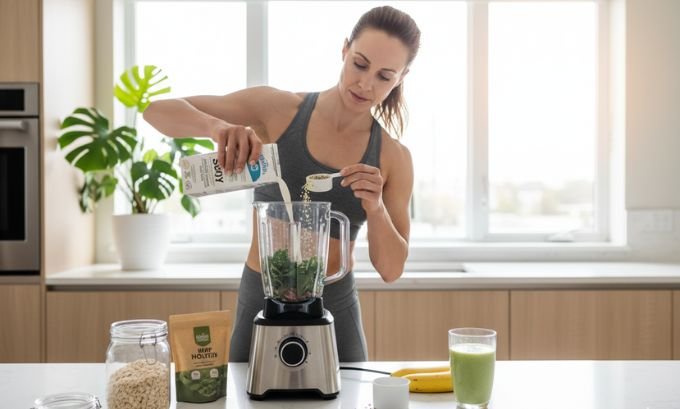
Muscle Protein Synthesis (MPS) — the process of repairing and building muscle — depends on both total protein intake and amino acid composition.
Studies show that combining complementary plant-based protein sources (like soy + lentils or quinoa + beans) can trigger MPS as effectively as animal proteins when total daily protein intake is sufficient.
Practical Tip:
Aim for 1.2–1.6g of protein per kg of body weight daily for optimal muscle health, and distribute intake evenly across meals.
Real-Life Example: Balanced Vegetarian Meal Plan
| Meal | Main Protein Source | Supporting Foods | Approx. Protein (g) |
| Breakfast | Soy milk smoothie | Hemp seeds, oats | 20 |
| Lunch | Lentil quinoa bowl | Vegetables, olive oil | 25 |
| Snack | Mycoprotein wrap | Spinach, hummus | 15 |
| Dinner | Tofu stir-fry | Brown rice, broccoli | 30 |
| Total Daily Protein | ≈90g |
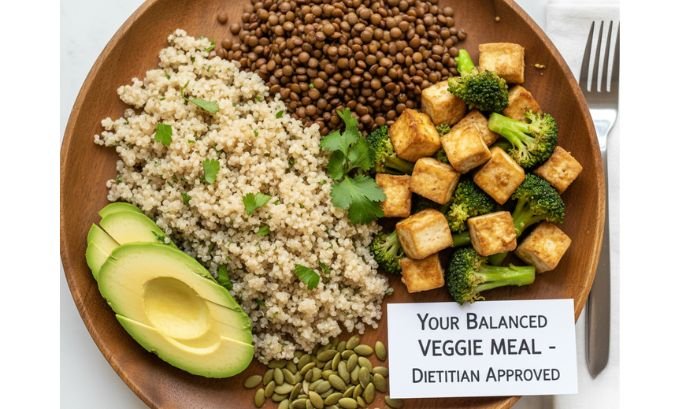
This example provides complete amino acid coverage, high digestibility, and sustained energy.
For those looking to stock up on high-protein vegetarian staples like tofu, tempeh, and soy-based pantry items, check out the selection at TokyoMart.store
FAQ: Common Questions About High-Protein Vegetarian Foods
1. Can vegetarians get enough protein without supplements?
Yes. By combining foods like soy, lentils, quinoa, and nuts, vegetarians can meet daily protein needs naturally.
2. What’s the highest-quality vegetarian protein?
Soy protein and mycoprotein have the highest PDCAAS scores, indicating excellent digestibility and amino acid balance.
3. How can I build muscle on a vegetarian diet?
Consume diverse protein sources, eat enough calories, and space protein-rich meals evenly throughout the day.
4. Is quinoa really a complete protein?
Yes. Quinoa contains all nine essential amino acids, though its total protein density is lower than soy or mycoprotein.
5. Are plant proteins harder to digest?
Some are, but cooking, fermenting, or sprouting can significantly improve digestibility and nutrient absorption.
6. Which vegetarian foods are best for weight loss?
Legumes, tofu, and mycoprotein are low in fat and high in satiety-promoting fiber.
Conclusion
High-protein vegetarian foods offer a powerful, sustainable way to meet your nutritional needs. By combining plant-based protein sources like soy, lentils, quinoa, hemp seeds, and mycoprotein, you can achieve complete protein coverage and support muscle protein synthesis effectively.
With careful planning and variety, a vegetarian diet can match — and sometimes exceed — the performance of traditional omnivorous diets in health and sustainability.
Author Bio
Written by: Nutrition Research Team – Plant-Based Health Division
Reviewed by: Certified Clinical Nutritionist (CCN), MSc in Human Nutrition
The content is fact-checked for accuracy and aligned with the latest research on plant-based protein and dietary science.
References
- FAO/WHO. (2021). Protein Quality Evaluation in Human Nutrition: PDCAAS Guidelines.
- Harvard T.H. Chan School of Public Health. (2023). Plant-Based Diets and Protein Quality.
- Simnett, D. (2024). Vegan Protein Tier List: Comparing Digestibility and Amino Acid Completeness.
- Healthline Editorial Team. (2024). 18 Best Protein Sources for Vegans and Vegetarians.
- Journal of Nutrition. (2023). Plant Protein and Muscle Protein Synthesis: Comparative Studies.
